Health and Safety Policy for Deep Cleaning Operations
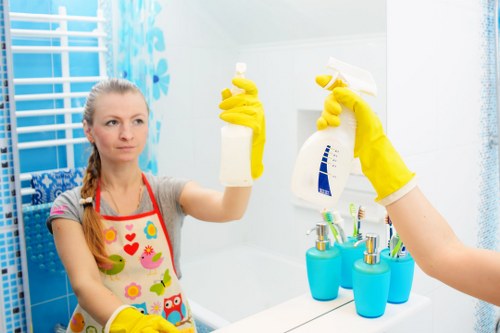 This Health and Safety Policy sets out the standards and procedures for deep cleaning and intensive sanitation activities carried out by the organization. The purpose is to protect workers, occupants and visitors from hazards associated with deep-cleaning services, including exposure to cleaning chemicals, slips and trips, biological contamination and ergonomic strain. The policy applies to all personnel engaged in deep-clean tasks and to any external contractors working under our control.
Scope and Responsibilities
The policy covers deep-clean operations in all indoor and outdoor environments where deep cleaning services are required. Management is responsible for ensuring adequate resources, training and oversight. Supervisors must implement risk assessments and safe systems of work. Employees and contractors are required to follow instructions, attend training and use personal protective equipment (PPE) as specified.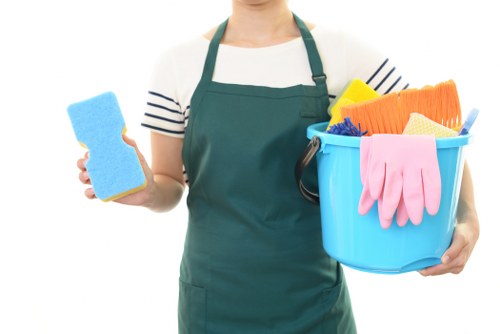 Risk assessment is central to safe deep-clean procedures. Before commencing a heavy-duty deep-cleaning task, a documented assessment must identify hazards, evaluate risks and record control measures. Assessments should consider chemical hazards, biological agents, confined spaces, electrical sources, manual handling, machinery and potential for aerosol generation. Findings must be communicated to staff and reviewed whenever conditions change.
Hazard Controls and Safe Working
Control measures for deep-clean environments include engineering controls, safe work procedures and administrative systems. Wherever possible, substitute hazardous chemicals with less hazardous alternatives and ensure good ventilation. Use mechanical aids to reduce manual handling. Establish cleaning zones and limit access to affected areas during intensive cleaning to protect non-essential personnel.Personal protective equipment is a last line of defense. Required PPE for deep-clean and deep-cleaning services may include gloves, eye protection, respirators, impermeable aprons and slip-resistant footwear. PPE selection must be compatible with the chemicals and contaminants encountered. Training in correct donning, doffing and disposal of PPE is mandatory.
![A professional cleaning technician wearing light purple gloves is using a pink microfiber cloth to wipe a smooth, light grey countertop in a clean, well-lit office or reception area. The surface appears tidy and polished, with no visible dust or stains. In the background, there is a small metal container holding pens and pencils, and a white tray or container with cleaning supplies or documents. The scene suggests thorough and hygienic cleaning practices typical of commercial cleaning services offered by Deep Cleaning near [POSTCODE] in [TOWN], focusing on maintaining a hygienic and presentable environment in office spaces.](/pub/_photos/cleaning/f1286531776.jpg) Cleaning agents and disinfectants should be used according to manufacturer instructions and safety data sheets. Staff must be trained on dilution rates, contact times and safe storage. Avoid mixing chemicals. Spill kits must be available and personnel instructed on spill containment and cleanup to prevent chemical injuries and environmental contamination.
Cleaning agents and disinfectants should be used according to manufacturer instructions and safety data sheets. Staff must be trained on dilution rates, contact times and safe storage. Avoid mixing chemicals. Spill kits must be available and personnel instructed on spill containment and cleanup to prevent chemical injuries and environmental contamination.
Equipment used for deep cleaning, such as high-pressure washers and steam cleaners, must be maintained and inspected regularly. Electricity and water use create combined risks; ensure electrical equipment is suitable for wet environments and that residual current devices (RCDs) are in place. Implement lockout procedures for machinery undergoing maintenance and keep records of inspections.
![A young woman with light skin and dark hair, smiling while cleaning a white surface in a bright, modern kitchen. She is wearing orange rubber gloves and holding a yellow spray bottle in one hand, with a green microfiber cloth placed on the surface in front of her. The background features blurred elements of a contemporary kitchen setting with natural lighting and neutral tones. The scene depicts professional cleaning activity, highlighting attention to hygiene and cleanliness within a residential kitchen space, aligning with services offered by Deep Cleaning in [TOWN], [POSTCODE], and supporting local SEO for cleaning providers.](/pub/_photos/cleaning/f1296629760.jpg) Waste management is a key component of a robust deep-clean safety policy. Segregate waste, label and contain biohazardous materials and arrange secure removal by authorized handlers. Sharps, contaminated textiles and chemical residues require specific disposal routes. Maintain clear documentation for waste handling and disposal activities.
Waste management is a key component of a robust deep-clean safety policy. Segregate waste, label and contain biohazardous materials and arrange secure removal by authorized handlers. Sharps, contaminated textiles and chemical residues require specific disposal routes. Maintain clear documentation for waste handling and disposal activities.
![A young woman with long dark hair, smiling and facing forward, is standing in a brightly lit indoor space. She is wearing a pastel pink blouse and a yellow cleaning apron, with yellow rubber gloves on her hands. She holds a red plastic bucket filled with various cleaning supplies including spray bottles, sponges, a scrubbing brush, and a cloth, indicating she is prepared for cleaning tasks. The background features large windows allowing natural light to fill the room, creating a clean and fresh atmosphere. This setting suggests a professional residential or commercial cleaning service, aligning with Deep Cleaning’s offerings, and subtly referencing a location in the UK such as [TOWN] or [POSTCODE]. The image emphasizes readiness and professionalism in cleaning services, with a focus on approachable and cheerful service provision.](/pub/_photos/cleaning/f3383775248.jpg) Training, competence and health monitoring are essential. Provide induction and refresher training covering hazard awareness, safe use of cleaning agents, equipment operation, manual handling and emergency procedures. Where exposure to biological agents or hazardous substances is likely, consider occupational health surveillance and vaccination programs as appropriate to the risk.
Training, competence and health monitoring are essential. Provide induction and refresher training covering hazard awareness, safe use of cleaning agents, equipment operation, manual handling and emergency procedures. Where exposure to biological agents or hazardous substances is likely, consider occupational health surveillance and vaccination programs as appropriate to the risk.
Emergency procedures must be in place and communicated to all staff. These include first aid arrangements, decontamination processes, eye-wash access and evacuation plans for significant incidents. Ensure that spill response and chemical exposure protocols are rehearsed periodically and that first-aid equipment is readily accessible.
Incidents, near misses and unsafe conditions must be reported promptly. A clear reporting system allows for investigation, remedial action and prevention of recurrence. Use documented incident review to inform training, update risk assessments and improve equipment or procedures.
Contracted personnel must be assessed for competence before undertaking deep clean assignments. Contract agreements should specify health and safety obligations, risk assessment expectations and required insurance and certifications. Supervision and verification of contractor performance are part of maintaining a consistent safety culture.
Monitoring, review and continuous improvement ensure the policy remains effective. Conduct regular audits, site inspections and safety meetings focused on deep-clean policies and practice. Review findings, implement corrective actions and track performance through measurable indicators such as training completion rates, incident frequency and audit outcomes.
Communication is integral. Provide clear signage, safety notices and operational briefings before commencing major cleaning tasks. Encourage a culture where staff voice concerns and contribute to safer methods for heavy-duty cleaning operations.
In summary, this Health and Safety Policy for intensive and professional deep cleaning sets out a framework to manage hazards, protect people and maintain compliance with organizational standards. Commitment from leadership, competent personnel, adequate resources and a structured approach to risk will ensure deep-cleaning activities are conducted safely and effectively. The policy will be reviewed periodically to reflect changes in operations, equipment or scientific guidance.