Deep Cleaning in London

We provide deep cleaning in London for homes and workplaces that need a more detailed clean than routine maintenance. The service is designed to tackle built-up grime, neglected corners, and high-contact areas with a careful, systematic approach. Whether a property needs a one-off reset, a seasonal refresh, or support before or after an important change, our work is planned around the surfaces and rooms that benefit most from closer attention.
Our deep cleaning service is built around practical tasks rather than vague promises. We focus on reachable fixtures, fittings, edges, and areas that are often skipped during standard cleaning. That can include kitchens, bathrooms, living areas, hallways, and other shared spaces, with the exact scope shaped by the property and the level of build-up present. If you are comparing options, start with the work that matters most and ask for a quotation in plain terms.
For a clear starting point, you can also look at our deep cleaning service overview and the pricing and quotes page when you are ready to discuss the work. Good results usually come from clarity: telling us which rooms need attention, which surfaces are sensitive, and whether there are any areas you would like prioritised. That helps shape a sensible quotation without turning the process into unnecessary back-and-forth.
What a deep clean can cover
A deep clean is usually more detailed than a quick tidy-up because it is aimed at residue, hidden dust, and awkward spots that gather dirt over time. In kitchens, this may mean attention to cupboard exteriors, splash zones, appliance surfaces, extractor areas, and the grime that can form along handles and edges. In bathrooms, the focus often shifts to taps, fittings, tiles, seals, and the type of staining that routine wiping does not fully shift.
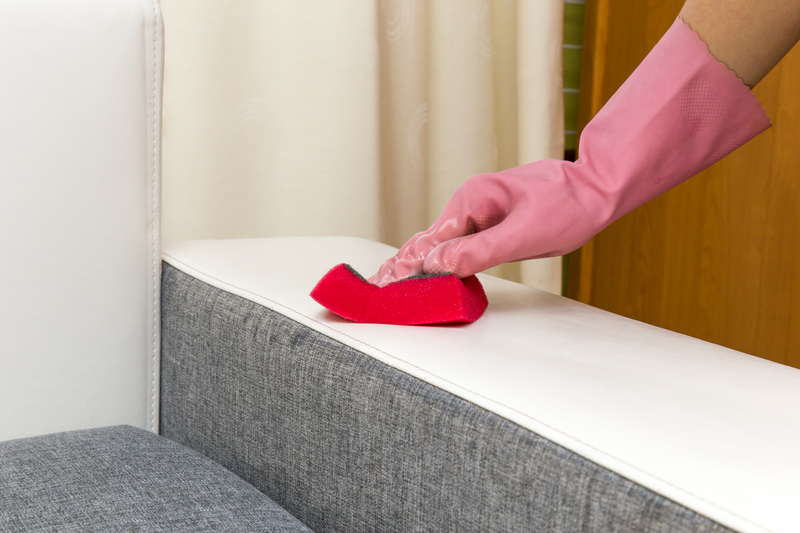
In living rooms, bedrooms, and hallways, the service is often about high-touch surfaces, skirting boards, reachable ledges, doors, and the corners where dust accumulates. Depending on what the property needs, the work can also involve more intensive attention to floors, upholstery touchpoints, or hard-to-reach areas around furniture. If you want a broader view of available formats, our one-off cleaning page is useful for understanding how a single visit can be structured around a particular property condition.
Some customers prefer a room-by-room approach, while others want the cleaner parts of the property handled in one organised visit. Either way, it helps to think about what will make the biggest difference: food preparation areas, bathrooms, shared reception rooms, or sleeping spaces that feel stale and need a reset. A well-planned service should feel targeted, not generic, so the work goes where the build-up is most noticeable.
Kitchen and bathroom detail
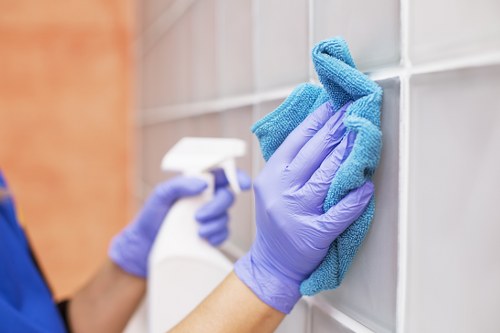
Kitchens and bathrooms usually demand the most detailed part of a deep clean because they contain the fixtures that see repeated use and the surfaces where moisture, grease, soap residue, and limescale can collect. In a kitchen, that may include grease-prone zones, cupboard fronts, worktop edges, sink areas, splashbacks, and the outside surfaces of appliances. The aim is not to replace specialist restoration, but to restore a cleaner, fresher baseline.
Bathrooms need a different method. Rather than simply wiping visible surfaces, the work often involves careful attention to taps, basins, shower areas, surrounds, toilet exteriors, and accessible tile surfaces. Build-up can be more stubborn in these rooms, so the cleaner must work methodically and use the right approach for each finish. Where appropriate, we can also discuss areas that may need extra focus, such as hard-water marks or neglected corners.
If a property needs a broader domestic reset, you may find our domestic cleaning page helpful when considering how deep cleaning fits alongside ongoing upkeep. For rooms that need even more concentrated attention before a move-out or handover, the end of tenancy cleaning page shows another common route. The important point is to match the service to the condition of the property rather than overspecifying the job from the outset.
Floors, fittings and touchpoint cleaning
Deep cleaning is often judged by the small details: the places people notice when they look more closely, not just the obvious centre of a room. That is why floors, fittings, switches, frames, doors, and other touchpoints matter so much. Dust can sit along edges and in joins, while marks and residue build up where hands repeatedly touch surfaces. Addressing those elements helps the room feel properly finished.
Different floor types need different treatment, so we avoid treating them as identical. Hard floors may require a more careful clean than a general sweep or mop, while carpets and rugs need a separate method and the right product choice. If you need more targeted support for textiles, see our carpet cleaning and rug cleaning pages. Upholstered seating can also be discussed through our upholstery cleaning service when fabric care is part of the brief.
Surface compatibility matters. Not every finish should be treated in the same way, and a careful quotation should take that into account. Before arranging work, it is usually worth identifying delicate materials, areas with pre-existing marks, or any rooms with a mix of hard floors, fabrics, and polished fittings. That helps ensure the approach is appropriate, especially where the property contains different textures and finishes that respond differently to cleaning products.
Deep cleaning for homes, flats and shared areas

Domestic deep cleaning can be especially useful when a property has drifted away from a comfortable standard and needs a full reset rather than a quick touch-up. In houses and flats, the service may cover kitchens, bathrooms, circulation spaces, and main living areas, with the precise emphasis based on what feels most demanding on arrival. This is often the right choice when day-to-day tidying has not been enough to shift accumulated grime.
Shared spaces may call for a slightly different plan because they have heavier traffic and more touchpoints. Hallways, entrance areas, landings, and communal-like spaces within a home can collect dust and marks quickly, so they often benefit from careful edge work and detail cleaning. For properties that are occupied but not kept to a regular professional standard, our house cleaning and home cleaners pages outline related domestic support that sits alongside deeper periodic work.
In practical terms, a homeowner often wants three things from a deep clean: cleaner surfaces, less visible build-up, and a more manageable baseline for future upkeep. The service should make the property feel easier to live in without overstating what is possible in a single visit. Clear priorities and realistic expectations are the best way to get a quotation that reflects the actual condition of the home.
Domestic and one-off cleaning choices
Some customers need deep cleaning as part of an occasional reset, while others are looking for a single visit with broader domestic cleaning tasks built in. That is where service choice matters. A one-off visit may focus on the rooms that most need attention, whereas a deeper specification will usually include more detail work and a stronger emphasis on neglected surfaces, fixtures, and built-up residue. The right option depends on the property’s current state and your priorities.
If you are weighing up a regular service against a more intensive visit, it may help to compare our cleaning company information with the one-off cleaning page. Both can support a cleaner home environment, but they suit different situations. A one-off deep clean is often chosen when the property has reached a point where standard maintenance no longer feels enough, while routine domestic cleaning is better for keeping a lighter level of dirt under control.
Useful planning points:
- Identify the rooms that matter most.
- Note any surfaces that need gentle treatment.
- Share whether grime is general or concentrated in certain areas.
- Explain if you need the focus split between kitchens, bathrooms, and living spaces.
Before you request a quotation

When you ask for a quotation, the most useful information is usually the simplest: the size of the property, the number of rooms, the areas with the heaviest build-up, and any features that need special care. A quotation becomes more accurate when it reflects the real condition of the space rather than a rough guess. If you can describe whether the job is light, moderate, or heavily detailed, that usually helps the conversation move in the right direction.
It is also sensible to mention access arrangements and any practical limits that may affect the work. For example, if particular rooms are unavailable, if there are fragile fittings, or if cleaning has to work around furniture, that affects how the service should be shaped. Our contact us page is the place to make that first enquiry, while our about us page gives a little more context about the business. Please keep the brief clear so the quotation can be based on the work that actually needs doing.
Two short steps usually make the process easier: first, decide which rooms are essential; second, decide what level of detail you want in those rooms. If you are unsure, start with the most visibly affected spaces and work outward. That approach keeps the quote focused and avoids paying for work that is not needed.
Commercial deep cleaning for offices and workspaces
Deep cleaning is not only for homes. Offices and other working environments can also benefit from more detailed cleaning when desks, shared areas, meeting rooms, kitchens, and washrooms have accumulated everyday wear. In these settings, the goal is to improve the presentation of the space and to give attention to the surfaces that employees, visitors, and customers see and use most often. The scope should be matched to the layout and the way the building is used.
For workplaces, a deep clean often focuses on high-touch areas, shared facilities, and the parts of the property that gather marks more quickly because of footfall. If you are managing a workspace rather than a home, our office cleaning and office cleaners pages provide a useful starting point. Those pages can help you decide whether you need a broader scheduled arrangement or a more concentrated intervention for specific rooms or sections of the building.
Commercial customers often prefer a quotation that separates the most important spaces from the optional ones. That can make it easier to compare costs and decide what level of detail suits the site. If the workspace has kitchenettes, washrooms, reception areas, or meeting rooms, it is worth identifying each area in the enquiry so the service can be priced in a straightforward way.
Related services for specialist surfaces

Some properties need deep cleaning alongside specialist surface care. Hard floors can hold scuffs and residue in a way that regular mopping does not fully address, while ovens, hobs, and similar kitchen features often need their own method. If your property includes these demanding areas, it can be practical to discuss them as part of the same quotation rather than treating them as separate problems. That way, the cleaning plan stays coherent and the priorities remain clear.
For kitchens, you may want to look at our oven cleaning page if the appliance interior needs more than a standard wipe-down, or our hard floor cleaning page if the floors need dedicated care. Where windows, soffits, exterior-facing fittings, or façade elements need attention, the relevant pages can help you understand the wider range of cleaning work available. The main point is to choose the right task for the right surface instead of stretching one service to cover everything.
A well-scoped deep clean should leave you with a property that feels properly addressed, not just superficially tidied. If you are ready to move forward, ask for a quotation today and describe the rooms that need the most attention. If you prefer to review the broader service range first, keep browsing the relevant pages and then send through your details when you are ready.