Dispelling Cleaning Fallacies
When it comes to cleaning, everyone seems to have an opinion. From the best way to tackle stubborn stains to the most effective cleaning products, advice abounds. However, not all this advice holds water. Many widespread cleaning tips are rooted in misinformation or outdated practices. This article aims to debunk common cleaning myths, offering scientifically backed information instead. Get ready to have your cleaning misconceptions challenged as we delve into the truth behind these household myths.
Vinegar Is the Answer to All Cleaning Challenges
Vinegar has earned a stellar reputation as an all-purpose cleaner. While it's true that vinegar is an excellent natural cleaning agent, it's not suitable for every situation. The acid in vinegar effectively dissolves grime and mineral deposits, making it great for cleaning windows, countertops, and bathroom fixtures. However, it falls short when it comes to disinfecting. Vinegar has only modest antibacterial properties, insufficient for eliminating pathogens like salmonella or E.coli.
Moreover, vinegar can actually damage certain surfaces. It's strong enough to erode grout and natural stone surfaces like granite and marble. To avoid causing inadvertent damage, always do a patch test on a hidden area before applying vinegar on a new surface. For disinfecting, consider using approved disinfectants like bleach or alcohol solutions.
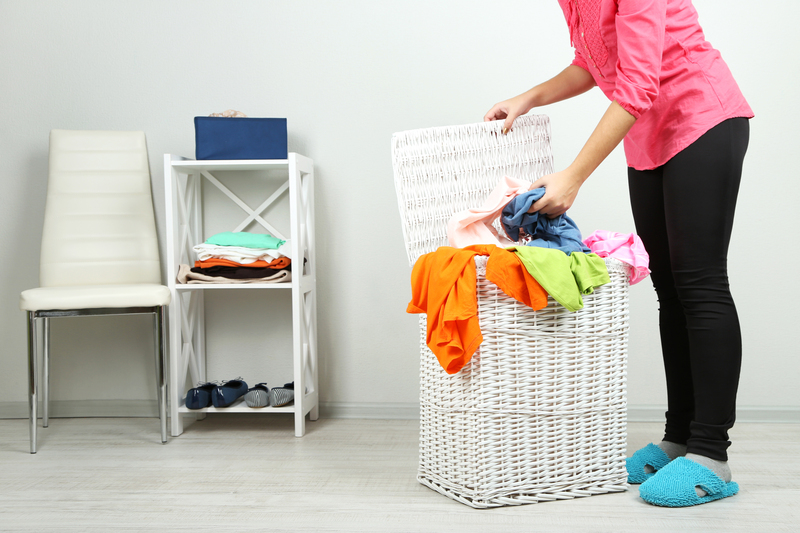
The More Detergent, the Better the Clean
Using an excessive amount of detergent does not necessarily equate to better cleaning. In fact, it can lead to opposite results, especially in washing machines and dishwashers. Excess detergent can leave a residue on clothes and dishware, making them appear dull and feel sticky. Furthermore, it can gum up the inner workings of your appliances, leading to potential maintenance issues.
Modern detergents are designed to be effective even in smaller quantities, so always adhere to the usage guidelines provided by the manufacturer. This practice will not only ensure cleaner results but also prolong the life of your clothes and appliances.
Bleach Cleans Everything Better
Bleach is often hailed as the ultimate cleaning powerhouse, capable of tackling any cleaning task. While bleach is indeed a potent disinfectant, it's not a universal cleaner. Bleach excels at killing bacteria and viruses but lacks the capacity to remove dirt and grime effectively. It's best used after a surface has already been cleaned with soap and water.
It's also crucial to remember that bleach is highly reactive. Mixing it with ammonia or other household cleaners can result in toxic fumes, posing severe health risks. Additionally, bleach can damage soft surfaces like carpets and upholstery. Thus, it should be used judiciously and only for specific tasks where its strong disinfecting properties are needed.
Newspaper for Streak-Free Windows
One of the most enduring cleaning fallacies is the use of newspapers for streak-free windows. While this trick may have worked in the past, today's newspapers are made from different materials and inks. Modern inks and paper can leave smudges and lint behind, defeating the method's original purpose.
Instead, microfiber cloths are the contemporary hero for streak-free window cleaning. They are designed to trap dirt and moisture, leaving your windows sparkling clean. Additionally, microfiber cloths are washable and reusable, making them an eco-friendly choice for your cleaning arsenal.
All "Green" Cleaners Are Safe
The push for environmentally friendly alternatives has popularized "green" cleaners. While these products are generally safer for the environment and often contain fewer harsh chemicals, they aren't universally risk-free. Natural ingredients can still cause allergic reactions, and their efficacy can vary widely.
Moreover, the term "green" isn't regulated rigorously, making it essential to read ingredient lists and certifications. Look for products accredited by recognized organizations such as the Environmental Protection Agency (EPA) or Green Seal. These certifications ensure the cleaner meets specific environmental and health safety standards.
Cleaning Carpets Will Only Make Them Dirtier
A prevalent myth is that cleaning your carpets will make them get dirty faster. This misconception likely stems from improper cleaning techniques or the use of poor-quality carpet shampoos that leave residues behind. These residues can indeed attract more dirt, causing the carpet to soil quickly.
The solution is straightforward: use proper cleaning methods and high-quality products. Steam cleaning is effective for deep cleaning without leaving residues. Additionally, make sure to remove as much moisture as possible after cleaning to prevent mold and mildew growth.
Feather Dusters Are Effective Dusting Tools
Feather dusters are often depicted as the quintessential dusting tool in popular media. However, they tend to scatter dust particles into the air rather than trap them, making them less effective for thorough cleaning.
Instead, use microfiber cloths or electrostatically charged dusters, which are designed to attract and hold dust particles. These tools are far more effective at capturing and removing dust, helping to improve air quality in your home.

Hand-Washing Dishes Is More Hygienic than Using a Dishwasher
The belief that hand-washing dishes is more hygienic than using a dishwasher is another cleaning fallacy. Hand-washing is less effective at killing bacteria because the water temperature in a sink can't reach the sanitizing levels that a dishwasher can. Modern dishwashers are designed to clean and sanitize dishes thoroughly, making them a more hygienic option.
In addition to superior cleanliness, dishwashers also use water more efficiently than hand-washing, making them the more environmentally friendly choice. For those without dishwashers, using a sanitized rinse solution can improve hygiene when washing dishes by hand.
Conclusion
Cleaning myths and fallacies often stem from outdated practices or a lack of scientific understanding. Dispelling these myths is crucial for effective and efficient housekeeping. Tools like microfiber cloths, appropriate detergents, and certified green products can make a significant difference in your cleaning results.
Always stay updated with reliable, scientifically-backed information, and periodically revisit your cleaning methods and products. By doing so, you'll ensure a cleaner, safer, and more efficient living space.